
Welcome to ScapeCrunch

We are ScapeCrunch, the place where planted aquarium hobbyists come to build relationships and support each other. When you're tired of doom scrolling, you've found your home here.

Sand choice and separating them from Aquasoil

  • Thread starter Thread starter Sb1415
  • Start date Start date
  • Tagged users Tagged users None
Joined
Jun 18, 2025
Messages
337
Reaction score
400
Location
Cincinnati, OH, USA
So two seperate questions for an upcoming scape, i am planning to have "dutch"ish tank style with dense planting on aquasoil that is sloped towards with about 3 inches in the back and coming down to about 1 - 1.5 inch in the front. I am planning to keep this tank where it would receive sunlight for 30 - 60 minutes a day and have seen my eco-complete get quite bit of cyano on the front part between the glass and the substrate. I think this would be the case when i use aquasoil as well and i just in general do not like the look of black substrate in the front glass and would prefer it to be neat.

1. My first question is, what kind of sand would be very easy to clean and avoid cyano (i am aware that it would be impossible). I am assuming it has to be something that does not compact since that would allow adequate oxygenation and flow to go through. I am thinking something like a large grain sand. If you have any specific recs let me know.

2. I am not planning for any hardscape in this tank, so how would one best seperate a sloped aquasoil from mixing with sand. I read the 2 hr aquarist post, but looking for more details. I am thinking maybe small stones that are not very visible and plug them with some filter mesh. It has to be something that does not affect the KH or GH so maybe some small dragon stone ? also saw about slate being used which i guess being flat might be helpful. I am planning to cover up the interface with montecarlo or other carpets. Ideas welcome.

thanks
 
very easy to clean

something that does not compact since that would allow adequate oxygenation and flow

Caribsea "Super Naturals Aquascapes" comes in an interesting range of grain sizes and colors. I have found several of their small to medium substrates are attractive and work well.

"Moonlight sand" is a soft sugar sand, and they go up from there. The Caribsea website has grain size measurements and enlarged pics, or PetSmart often has multiple types in their live fish section 👍

Most are inert, just be sure not to get anything called "cichlid mix" or "aragonite" .
 
Last edited:
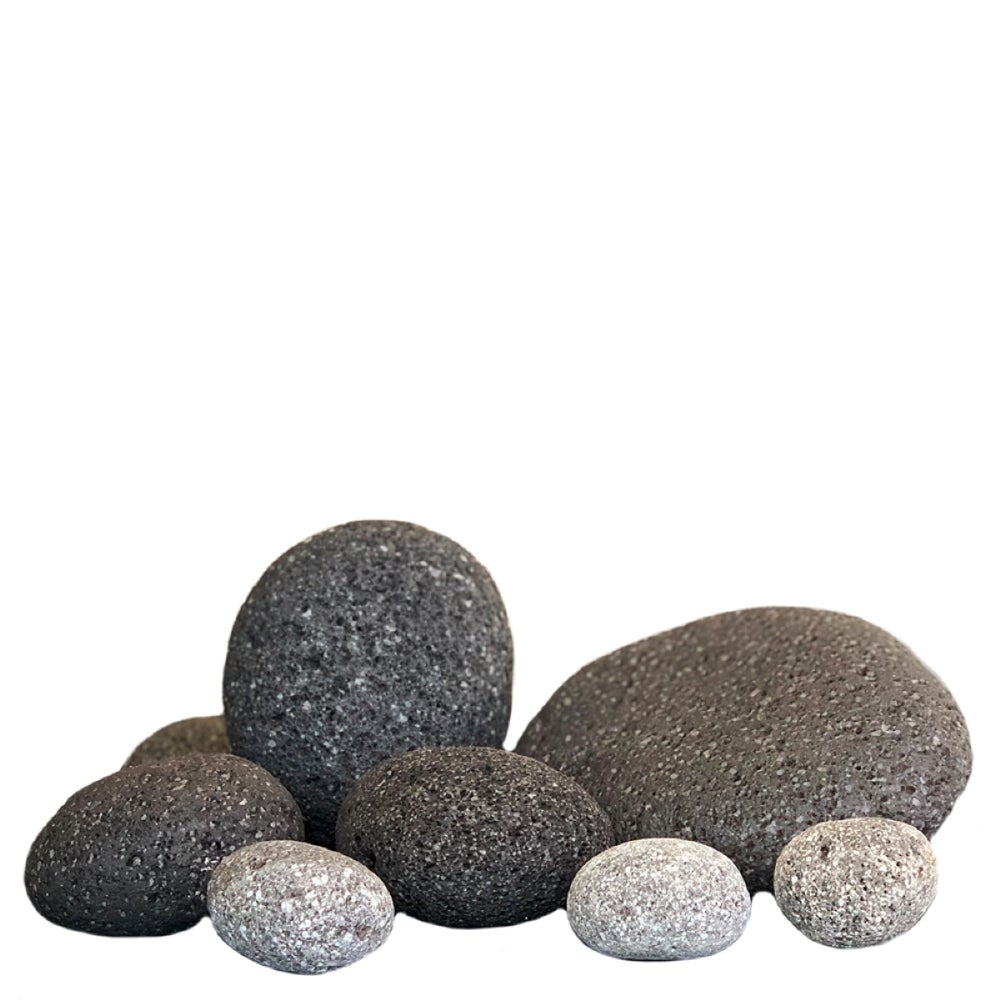
Does anyone know if this product is inert ? - smooth lava rock. I have read that lava rock are inert but wanted to see if anyone has any experience with this

 
Does anyone know if this product is inert ? - smooth lava rock. I have read that lava rock are inert but wanted to see if anyone has any experience with this

I have tested that specific brand of rock and it is inert. I have tested all the rock and stone that my LFS has and I just checked the site they wholesale from and it is the Pisces brand. A little tip, when you use the LFS’s nitrate test bottle 1 to test rocks make sure you squeeze some liquid out of bottle 2 so it evens them out. 😂
 
I have tested that specific brand of rock and it is inert. I have tested all the rock and stone that my LFS has and I just checked the site they wholesale from and it is the Pisces brand. A little tip, when you use the LFS’s nitrate test bottle 1 to test rocks make sure you squeeze some liquid out of bottle 2 so it evens them out. 😂
Ok thank you! i saw a video of BRS fresh testing this type of rock and saying it was not inert so good to know!! I have it soaking in some RO water to see if it increases TDS ; but good to know that you have tested this before!
 
Ok thank you! i saw a video of BRS fresh testing this type of rock and saying it was not inert so good to know!! I have it soaking in some RO water to see if it increases TDS; but good to know that you have tested this before!
Ok so I should have said it is inert as far as not raising your KH. The liquid nitrate test bottle 1 contains hydrochloric acid. If you put a couple drops of it on a rock and it bubbles/fizzes then the rock contains calcium carbonate.(pretty sure) So if your tank water is acidic, like most of ours, it will slowly dissolve some of that rock’s calcium carbonate into your water and cause KH to go up. The stone you’re testing may raise the tds but I’d be shocked if it was any more than a tiny bit.

I’ve seen that BRS video and they went real deep into the testing because they were promoting that testing company that you send water samples off to. As far as the hobby is concerned, those tests seem like inconvenient overkill to me. Besides that, co2 injection will increase the dissolution rate and I don’t think BRS was using co2 in the tests.
 
Ok so I should have said it is inert as far as not raising your KH. The liquid nitrate test bottle 1 contains hydrochloric acid. If you put a couple drops of it on a rock and it bubbles/fizzes then the rock contains calcium carbonate.(pretty sure) So if your tank water is acidic, like most of ours, it will slowly dissolve some of that rock’s calcium carbonate into your water and cause KH to go up. The stone you’re testing may raise the tds but I’d be shocked if it was any more than a tiny bit.

I’ve seen that BRS video and they went real deep into the testing because they were promoting that testing company that you send water samples off to. As far as the hobby is concerned, those tests seem like inconvenient overkill to me. Besides that, co2 injection will increase the dissolution rate and I don’t think BRS was using co2 in the tests.
ok thank you it ended up raising the TDS from 14 to 22, but did not change the KH at all, but i guess we would have to see what it does in the aquasoil environment.
 

Top 10 Trending Threads

Back
Top